This September, I had the pleasure of attending the Oliver Wyman Health Innovations Summit in Chicago, where I engaged with healthcare industry experts around the theme “Working in Concert.” The focus was on driving down costs, boosting provider efficiency, and enhancing patient engagement. Let’s dive into how we can drive substantial change in healthcare by embracing creativity and competitive tension.
Here are my top 5 takeaways from the summit and what it means for health plans:
1. It’s Time to Rethink Healthcare Spending
Sessions on healthcare expenditure addressed the non-demographic factors impacting costs. Streamlining operations to reduce spending, particularly in labor and drug pricing, was the most impactful strategy I heard.
Insights for Health Plans:
- Labor Optimization: Leaders are calling for the reimagining of clinical roles and realigned staff ratios to cut labor costs significantly. But this does not mean staff reductions. As health plans integrate Artificial Intelligence (AI) to automate repetitive tasks, it is imperative to develop a strategy that eases employees’ fears about job security. AI should enable staff to transition into roles that require oversight and decision-making, leveraging human skills rather than replacing them.
- Administrative Simplification: Streamlining operations holds the greatest potential for cost savings. Effectively using APIs to eliminate manual data transfers is essential; no health plan employee should have to manually normalize large quantities of enrollment or payment data. Additionally, health plans have successfully reduced overhead costs by consolidating vendor platforms.
- Managing Drug Costs: Discussions highlighted the need for innovative approaches to manage and negotiate drug pricing. Drug coverage becomes challenging due to rising member expectations, escalating drug prices, and increasing demand for specialty medications like GLP-1s. This complexity requires a strategic approach to balance costs with high-quality care. Smaller health plans that need to keep costs low must listen to their members’ needs before making tough decisions about drug coverage. Many operations leaders are taking a hard look at their administrative load to help offset rising drug costs.
2. Using Technology to Transform Providers Operations
The integration of AI to improve provider productivity and minimize administrative burdens was a key topic, highlighting the importance of ongoing feedback from clinical staff.
Insights for Health Plans:
- AI Implementation: Providers are using AI to focus more on patient care by minimizing repetitive tasks. The health plan sector could benefit from these clinical applications to address hesitations about AI adoption, often stemming from regulatory concerns. I recommend adopting non-invasive AI tools that enhance focus on member relationships, starting with support-oriented technologies.
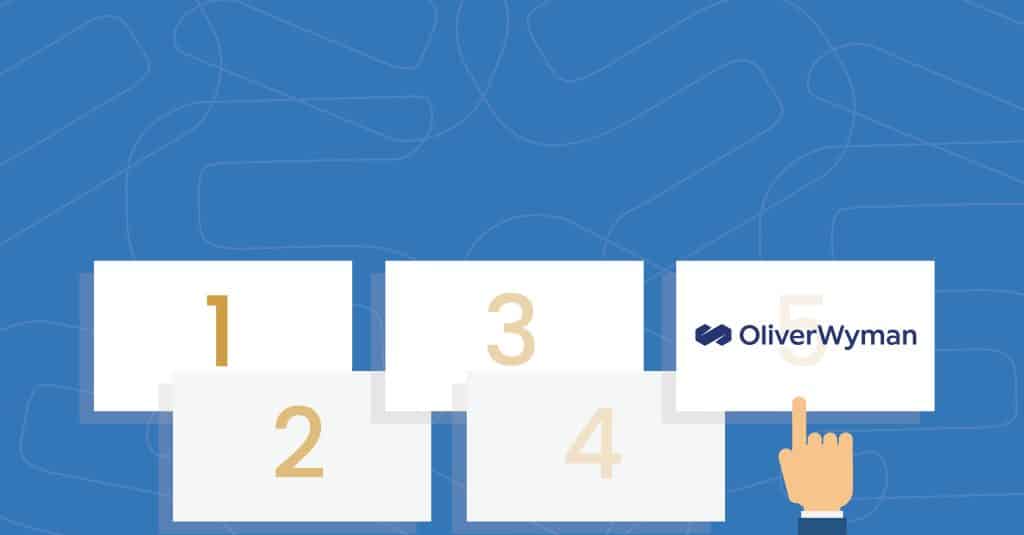
- Diagnostic Efficiencies: David Lubarsky, CEO of UC Davis Health, shared an innovative use of AI in diagnostics that I found particularly impressive: By reordering the sequence of MRI images, AI technology can significantly reduce the time needed for a complete scan. Typically, MRIs require images from multiple sequential slices to make a diagnosis. I still have vivid memories of being stuck in an MRI machine as a kid, which felt like an eternity. With AI, the process starts with key slices (1, 3, and 5), determining if intermediate slices (2 and 4) are necessary. This not only speeds up the process but also streamlines the diagnostic workflow. To think that we can now expedite MRIs and make receiving care less daunting for everyone is truly amazing.
3. Driving Innovation by Enhancing Plan Collaboration
One of the central themes of the summit was tackling healthcare complexities by ensuring smooth collaboration across diverse entities. This includes learning from other health plans by simplifying plan designs and enhancing community health initiatives.
Insights for Health Plans:
- Efficiency through Simplicity: We’ve seen the consequences of flooding the market with complicated, repetitive plan options. I’m advocating for a streamlined approach; health plans should focus on offering a few robust plans tailored to meet member needs effectively. Members don’t necessarily need more options; they need better, easier options.
- Community Health Investments: Partnerships with community organizations have seen real results tackling foundational health issues, such as mental health. Having communal activism helps create a centralized objective, something that can be lacking in national plans. We typically see regional health plans have a strong centralized message with a strong focus on community and giving back to their members.
4. Transitioning from the Hospital Model to Home-Based Care
Home-based care has been on the rise since the COVID-19 pandemic. But for care at home to scale, there’s a need for robust operational and financial models.
Insights for Health Plans:
- Joint Investment with Providers: Higher engagement rates are seen when providers lead outreach efforts for at-home care, underscoring the need for health plans and providers to jointly invest in these initiatives. Even well-aligned organizations can face challenges, as exemplified by the prolonged negotiations between major health providers, emphasizing the need for shared investment strategies in home care.
5. Creating Conditions for Innovation at Scale
This session explored the government’s role in healthcare innovation, particularly in improving data integration and sustainable care models.
Insights for Health Plans:
- Adapting to Change: The healthcare landscape is constantly evolving, requiring health plans to be adaptable and forward-thinking. Overhauling outdated payment models can alleviate operational bottlenecks and facilitate smoother administrative processes.
- Connecting with Data: Collecting data that sits isn’t helping anyone. Health plans need to get better at providing data to providers. In a recent presentation with Softheon, Harlan Edlin, President of Novillus, shared an example of a health plan synchronizing the care schedules of high-risk members directly with providers. Through this collaboration, providers were better prepared for upcoming patient visits and focused on those most in need of immediate attention.
Thanks to all the speakers and participants at the Oliver Wyman Health Innovations Summit for helping in the never-ending effort to build healthcare bridges between patients, plans, and other partners. I hope the insights I share show that by making healthcare more accessible and plentiful, there are so many opportunities for health plans. We can and should be taking best practices from providers, brokers, and associations to solve for the coverage issues of today.
I’m happy to discuss my insights from Oliver Wyman on AI, member engagement, or any other topics. You can reach me at tcohen@softheon.com. I’m traveling to over 5 conferences over the next couple months and would love to catch you there. Let’s connect on LinkedIn and share where we’re headed and what we’ve learned.